Lewotolok started with eruption

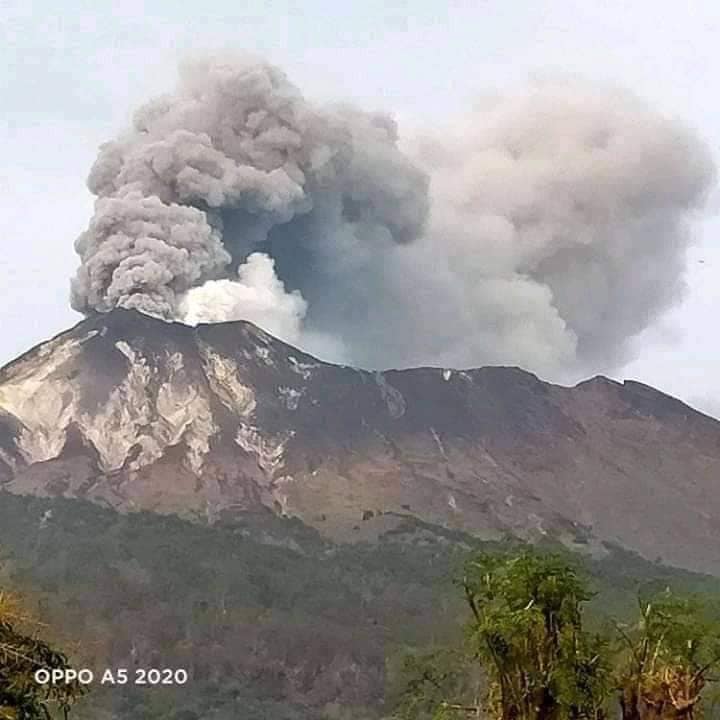
On the Indonesian island of Lembata the Lewotolok has erupted. The VAAC reported an ash cloud that rose to an altitude of 1800 m above sea level. The volcanologists of MAGMA/VSI recorded a corresponding seismic signal with a duration of 120 seconds and a maximum amplitude of 34 mm. In addition, 10 volcano-tectonic earthquakes were recorded in the first half of the day. Already in January 2019 first warnings were given and the alarm status was increased after the seismic activity increased. There is a 2 km exclusion zone around the crater.

The Levotolok can be passed by taking a boat to Komba Island, where the Batu Tara volcano is located. This volcano has been quiet for a few years, but thermal signals are always registered. More often this happened in the last month. To my knowledge the volcano is not systematically monitored and is one of the few white spots on earth.

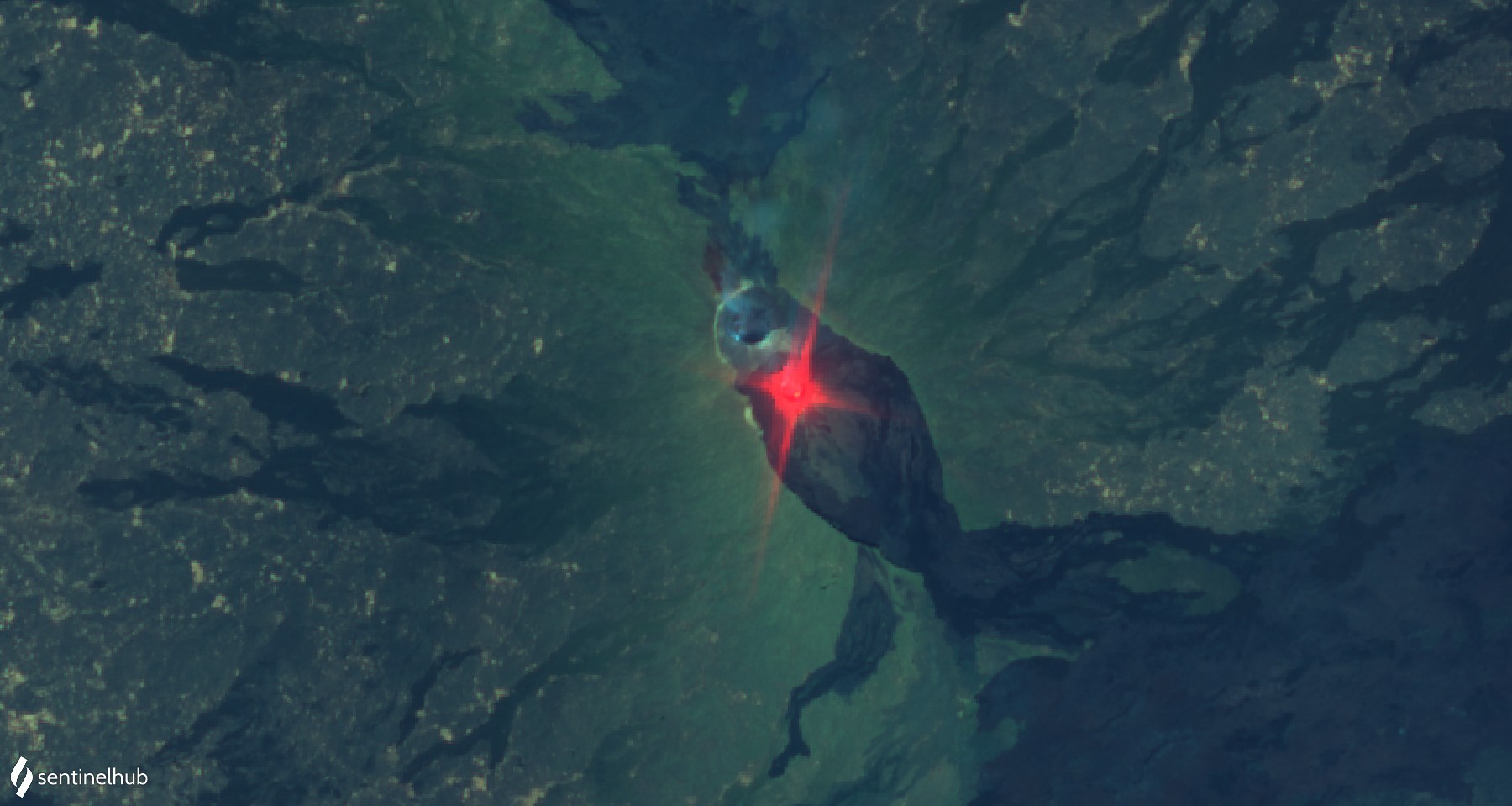
Semeru erupts lava flow

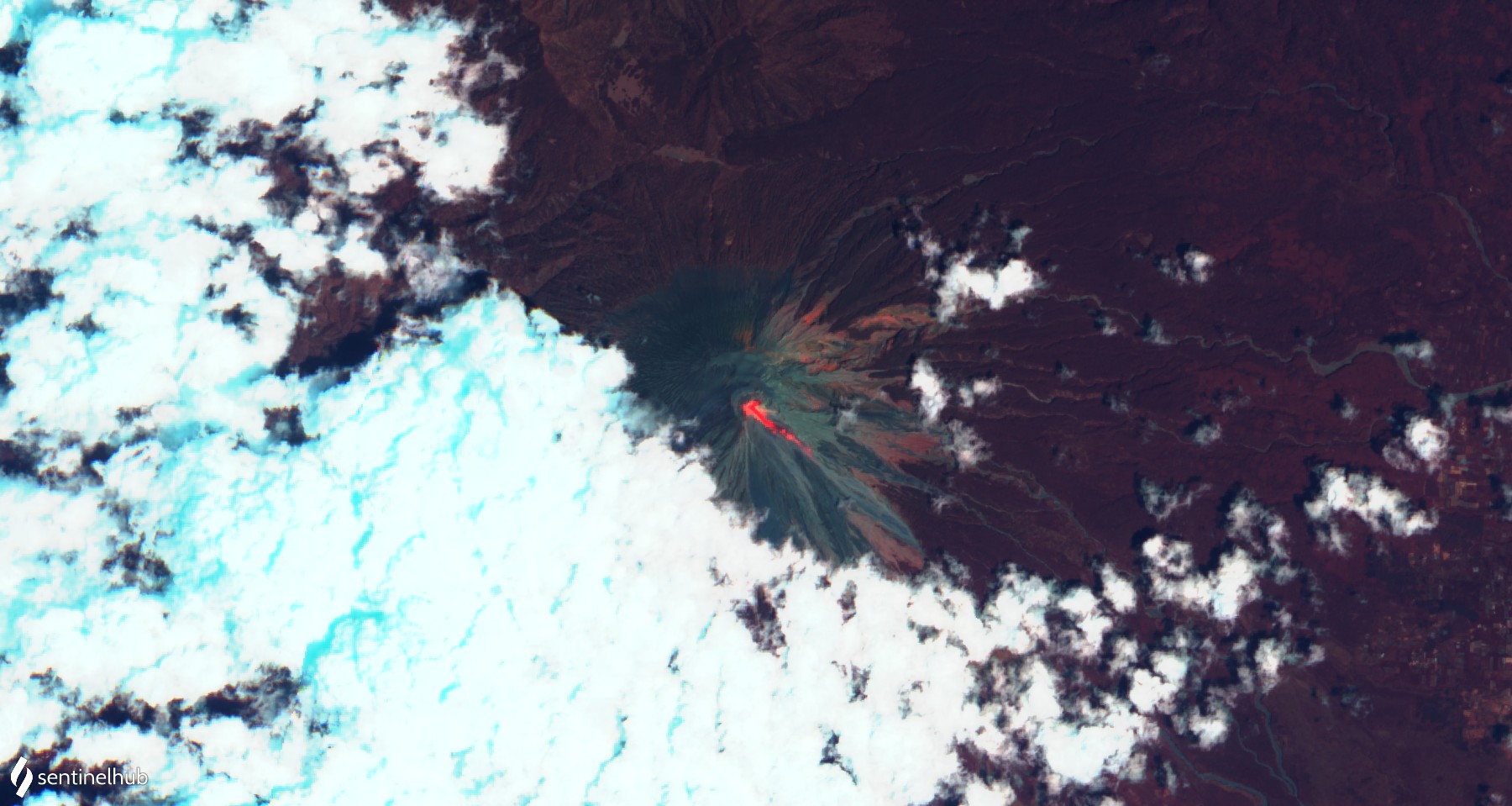
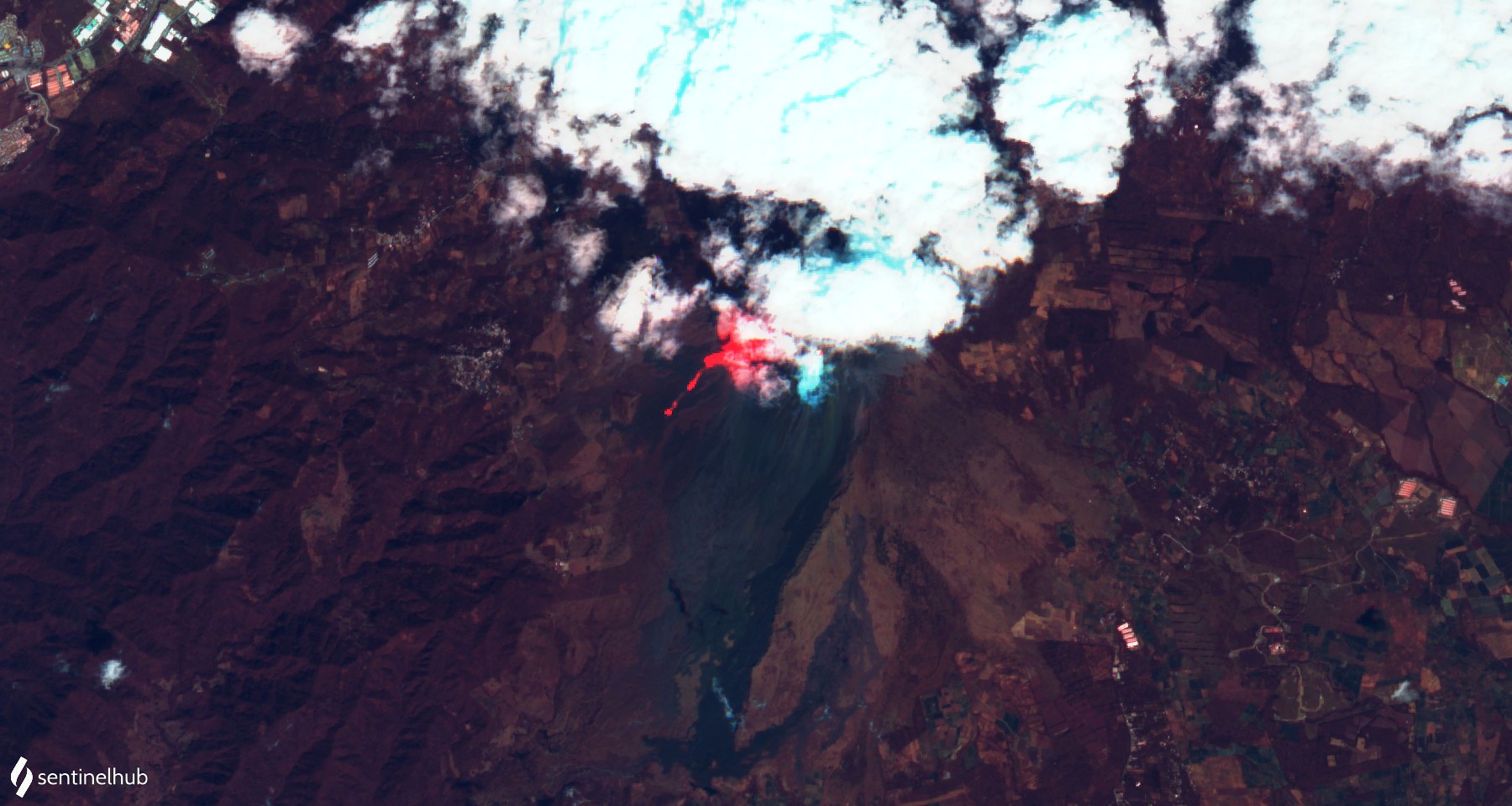
The Indonesian volcano Semeru is located on the island of Java and forms a volcanic massif together with Bromo. Since months Semeru is effusive and explosive active. It is busy building on its flat pancake dome and strombolian eruptions are occurring, and debris avalanches are taking place. What has not been communicated so far is the fact that a lava flow has been flowing for about 2 weeks. It comes through the breach in the southeastern crater wall and is moving along the upper part of the flank. It has a length of 800-900 m and should be quite viscous. Since when exactly it is on its way remains unclear. I discovered it on a satellite image from November 16. On a picture from November 11th it was not yet visible. In the reports of MAGMA/VSI it is mentioned that the southeast side is restricted area and that pyroclastic flows may be released. During earlier eruption phases these occurred especially in connection with the high viscous lava flows.

Etna: Another ash-eruption

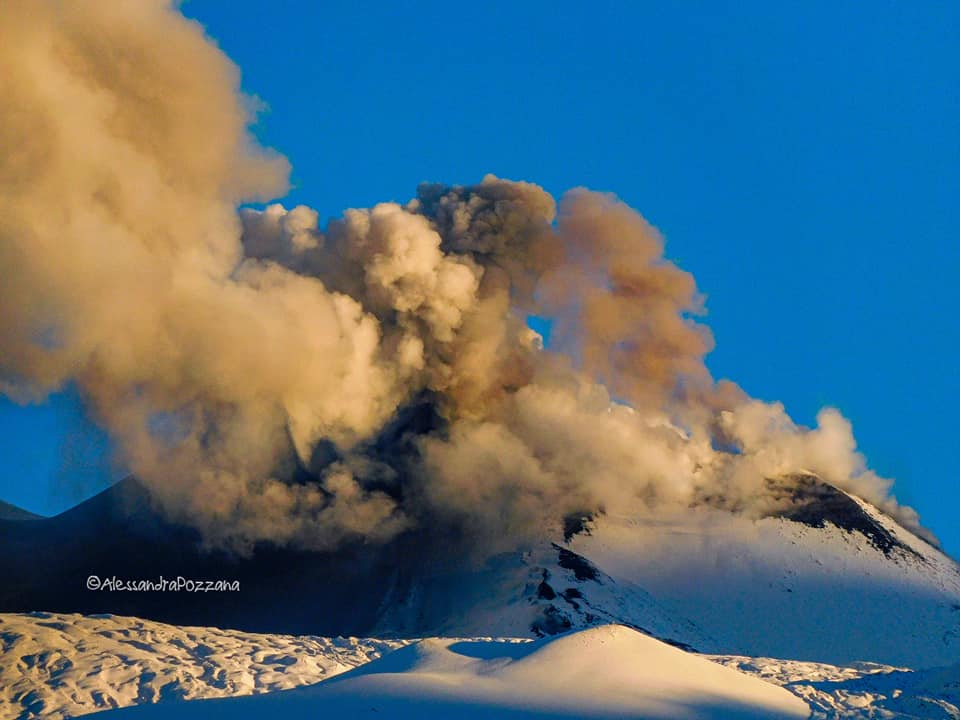
Etna celebrated the new day with another ash eruption. Place of the happening was again the New South East Crater. The ash rose a good 200 m and was carried by the strong wind in southwestern direction. The VAAC gave no warning. Previously, the tremor decreased significantly during the night and is now fluctuating in the middle of the yellow area. The earthquake activity was quite high on November 21 and 22. SismoWeb (INGV) shows 26 quakes for the two days. Many manifested themselves under the central crater area and in the Valle del Bove. The strongest quake reached M 2.5 and was located at 5 km depth near the village of Zafferana on the eastern flank. It continues to accumulate magma under the volcano.

Santiaguito: Update 24.11.20

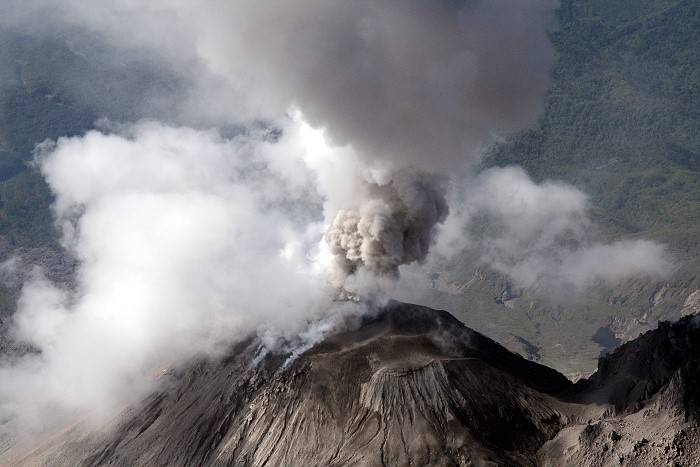
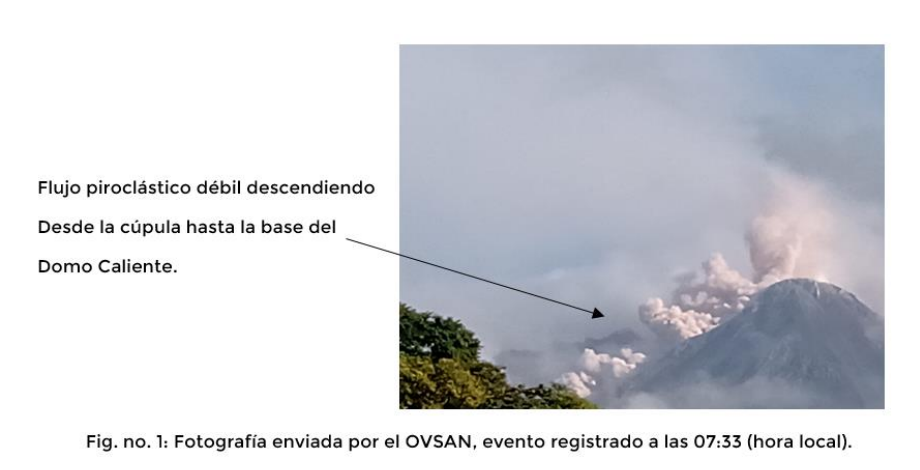
The volcanologists of INSIVUMEH (Guatemala) published a new report on the activity of the dome volcano Santiaguito: The seismic record allows the observation of weak and moderate explosions. These generate columns of gas and ash, and heights of up to 3100 meters (10170 feet). Avalanches of blocks and ashes are also registered mainly towards the southwest flank, however these can be generated towards the south, southeast and west flanks. The path of such material reaches the base of the dome and causes fine ash particles to fall on the volcanic perimeter. Due to the location of block lava flows in the dome of the hot dome in a west-southwest direction, the occurrence of block and ash flows in this same direction, as well as long range pyroclastic flows, is not ruled out. For short periods of time it is possible to hear aircraft turbine like sounds due to the prolonged degassing in the hot dome. MIROVA registered a thermal anomaly with 11 MW power.

Merapi: Dome growth continues

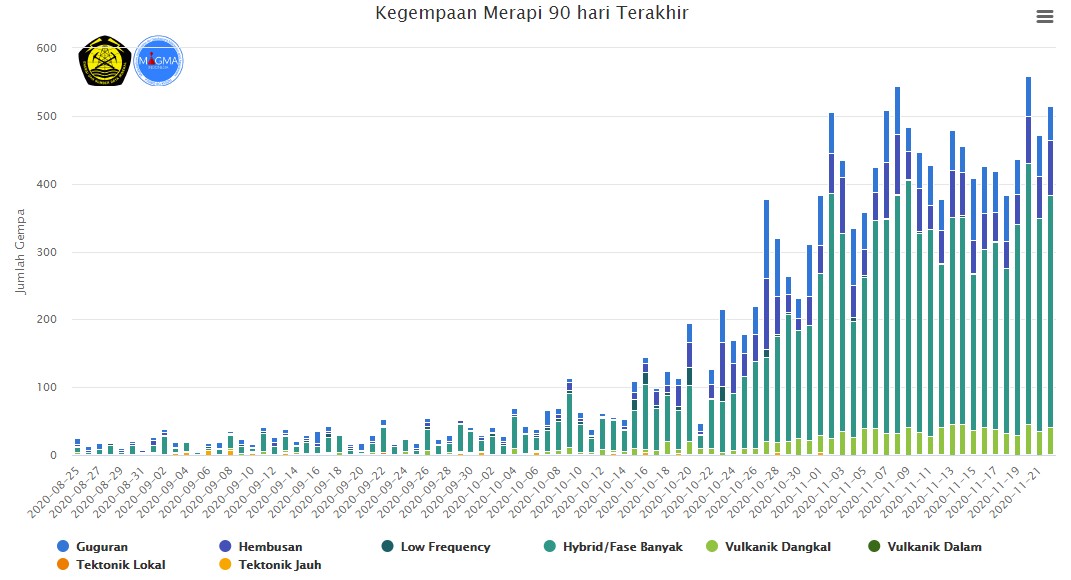
The seismic activity at Merapi remains at a very high level. Yesterday about 510 tremors occurred in connection with the dome growth. This was the third highest value in this growth phase. First place was taken by November 20 with about 560 seismic signals. In the first 6 hours of today 83 hybrid earthquakes and 5 volcanic tectonic quakes were recorded. In addition there were 23 signals caused by strong degassing and 10 quakes caused by rockfall/debris avalanches. The dome continues to grow busily. The danger of pyroclastic flows is high.

Already on November 7, 133 people were evacuated. They were mostly elderly people who are not able to escape spontaneously. Prior to this, the alarm status was raised to “3”.

Stromboli: Third strong explosion

The LGS reports a third strong eruption this month: On November 21, 2020, at 00:33:21 UTC, the geophysical monitoring network recorded a very strong explosive event above ordinary explosive activity. 3 minutes bevore the event ground deformation (0.41 µrad at the OHO reference tiltmeter in Rina Grande) was detected. The event falls within the lower limits of the field for major explosions.

Cumbre Vieja: Swarm quake on La Palma

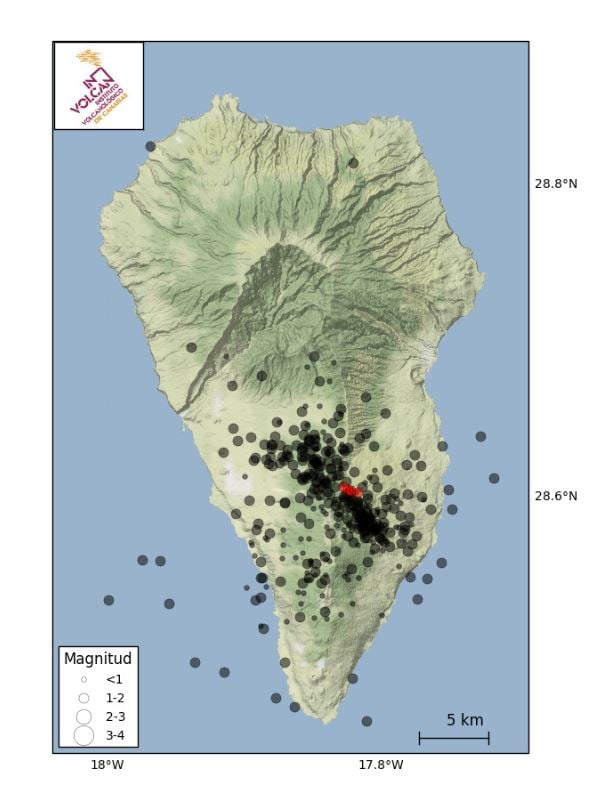
Already on Saturday, the Volcanological Institute of the Canary Islands (INVOLCAN) has detected more than 50 earthquakes of low magnitude under the volcano Cumbre Vieja. The epicenters of the swarm were mainly located in the north of the volcano. They gathered in an elongated cluster that extends in a northwest-southeast direction. The hypocenters of the quakes were located at depths of around 30 km and thus in the area of the asthenosphere from which magma likes to rise into the earth’s crust. The strongest quake had the magnitude 1.2.

The scientists of INVOLCAN, however, reassure the population and say that the earthquake swarm is not a threat and that it does not indicate disturbing changes in the volcano. However, it should also be noted that increased carbon dioxide emissions were already registered in August. The quakes could well be related to magma intrusion.

Not only under La Palma it has been quaking more and more frequently for several months. Other regions of the Canary Islands are also affected. For example, there has been an accumulation of earthquakes in the area of El Hierro, on Tenerife (where there was a quake M 1.7 today) and under the sea floor between Tenerife and Gran Canaria. The quakes remind us that the volcanism of the region is only dormant and far from extinct.

Santiaguito generates pyrocalstic flows

Another report from INSIVUMEH about the eruptions at Santiaguito volcano in Guatemala is available: Weak and moderate explosions were recorded. These can generate columns with large amounts of gas and with heights up to 3300 meters (10,826 feet). There are also avalanches of blocks and ash towards the southwest flank mainly, however, these can be generated towards the south, southeast and west flanks. The path of such material reaches the base of the dome and causes fine ash particles to fall on the volcanic perimeter. Due to the location of block lava flows in the dome of the hot dome in a west-southwest direction, the occurrence of block and ash flows in this same direction, as well as long range pyroclastic flows, is not ruled out. For short periods of time it is possible to hear aircraft turbine like sounds due to the prolonged degassing in the hot dome.

Pacaya: Lava flow still active

INSIVUMEH reports today that the Pacaya is still active. Due to night and early morning weather conditions, visibility to the Mackenney cone and its crater was limited. The PCG and PCG5 seismic stations register tremors associated with the rise of magma and constant degassing. Lava flow in southwest direction one of 1,025 meters in length, approximately. The lava flow is clearly visible on sentinel satellite images.

Klyuchevskoy: Vulcanian eruptions

The Klyuchevskoy is located on the Russian peninsula of Kamchatka and continues to erupt effusively and explosively. It produces vulcanian eruptions that produce glowing tephra and volcanic ash. The latter reaches heights of up to 7600 m above sea level. Thus, the eruption clouds rise a good 2800 m above the summit of the volcano. Normally, the volcanic eruptions are generated in the course of paroxysmal activity. In this case, the frequent strombolian eruptions increase within a short period of time, only to subside quite quickly after a plateau phase. The effusive activity also continues. MIROVA recorded a thermal anomaly tonight with a power of 1265 MW. The lava flow has a length of about 2 km. At its front it seems to have widened a bit during the last days. The photo shows a phase of increased activity and was taken by the director of the observatory in Klyuchi on 18. November.