New hydrothermal activity at Black Diamond Pool in Yellowstone
A hydrothermal eruption has recently occurred in the Biscuit Basin area of the Yellowstone Caldera, drawing attention to the dynamic and often unpredictable nature of its geothermal system. The event happened shortly after a previous smaller explosion in the same location, suggesting that pressure conditions underground may have been changing over a short period of time.
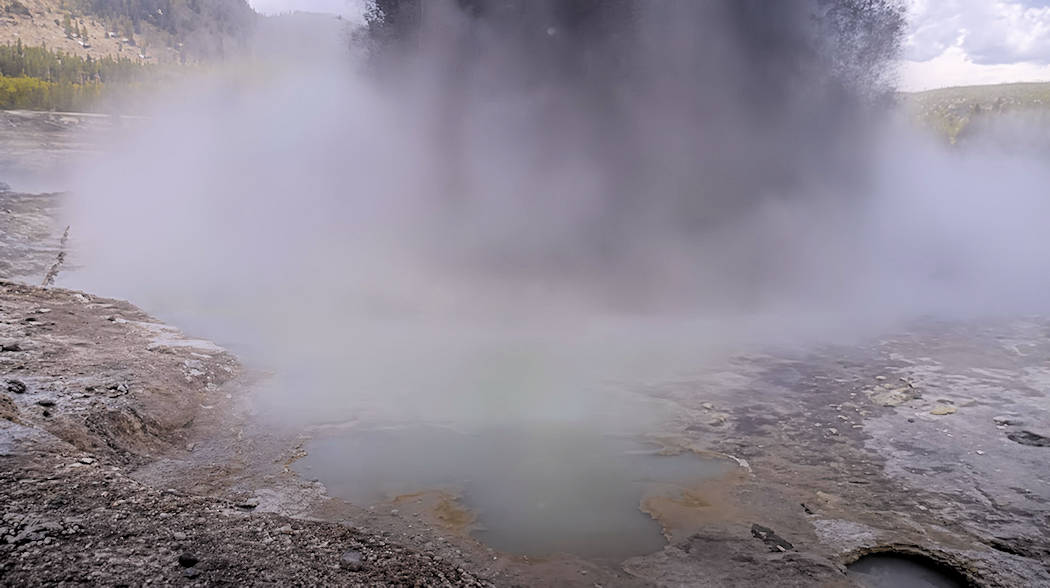
The eruption was not a magmatic volcanic explosion but a hydrothermal one, meaning it was driven by steam and hot water rather than rising magma. In such systems, groundwater becomes superheated by contact with hot rocks beneath the surface. If underground pathways become blocked, pressure can build rapidly until it is released in a sudden and violent explosion.
During the Biscuit Basin event, a mixture of steam, mud, and fragmented rock was forcefully ejected from a small thermal vent. Observations indicate that material was thrown higher and farther than in the earlier eruption, showing that the energy release was significant even though the source area itself was relatively small. These types of eruptions can reshape local hydrothermal features in seconds.
Hydrothermal explosions are particularly hazardous because they are difficult to predict and can occur without clear warning signs. Even in well-monitored areas like Yellowstone, sudden changes in subsurface pressure can lead to rapid and localized blasts.
The event highlights the ongoing activity within Yellowstone’s hydrothermal system and serves as a reminder that seemingly stable hot spring areas can quickly become dangerous. Continuous monitoring remains essential to understand and assess these hidden geothermal processes.